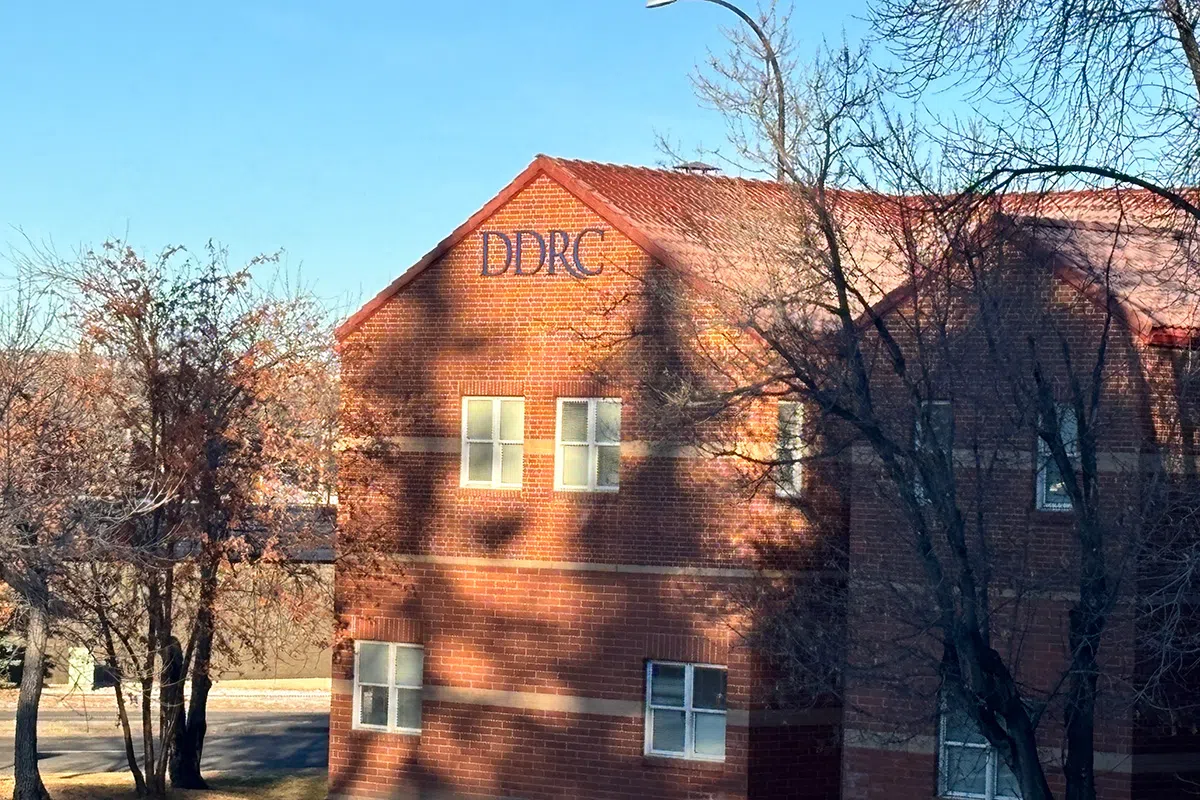
This is the Developmental Disabilities Resource Centre of Calgary, where those with developmental disabilities go to help improve their quality of life.
Christine Meikle and Emily Follensbee’s sons were kicked out of public school for having developmental disabilities. These two moms had no access to resources to help their children find a proper education. So they decided to create a place that welcomes and celebrates differences.
DDRC Background
Christine Meikle and Emily Follensbee’s sons were kicked out of public school for having developmental disabilities. These two moms had no access to resources to help their children find a proper education. So they decided to create a place that welcomes and celebrates differences.
In 1952, the Developmental Disabilities Resource Centre of Calgary(DDRC) was founded to help individuals with developmental disabilities improve their quality of life. They provide support from just learning one skill to helping individuals live on their own. DDRC offers a welcoming environment for anyone who wants to learn or achieve new skills. “Just because someone learns differently, interacts differently… It’s creating those spaces for those differences to thrive and to celebrate those differences,” said Kristal Gallo in an interview. New clients and current clients start with an individual service plan, which helps provide what goals they want to achieve. This plan helps DDRC, which program will help complete a client’s task.
CHOICES
One of the programs that the DDRC provides is its CHOICES program, where clients can choose how they want to reach their goals and gain a better sense of independence. This can be done through community involvement, volunteerism, or workshops. These activities provide inclusion for both adults and kids to feel included and to feel treated like a person, and to develop meaningful everyday lives. “DDRC has helped me meet new people at the University of Calgary’s Women’s Resource Centre and other student groups,” mentioned Michael Fridfinnson in an interview.
PACE
The PACE program helps clients develop work ethic skills to find employment and to secure regular work placement. Not only that this program help clients be responsible with their finances. “Help support with my resume, applying finding a job, volunteering, my math skills, and understanding budgeting,” said Rayn Su in an Interview. This program supports integrating an inclusive environment in the workforce. Finding places that are inclusive and align with a client’s career goals.
Comprehensive Care
Adult clients are introduced to the Comprehensive Care program when they wish to live on their own and gain that sense of individuality, having a place of their own. The program also helps develop homemaking skills and pay for their own home. This program also helps child clients when their parents need help balancing their work life and home life. A DDRC staff member with come and support the child client in basic skills like cooking, writing, or anything that provides helpful skills.
Other Programs
DDRC also provides a linked program where it has staff who specialize in working with clients who are deaf and blind. DDRC also has professional practitioners who are skilled in American Sign Language.
Awareness and Inclusivity
DDRC not only seeks to support clients with disabilities but also aims to raise awareness within the developmental disabilities community. These disabilities do not define these clients or anyone part of the community. They are capable of doing anything, and that is what the DDRC wants to showcase when supporting their clients.
Ways to support those within this community would be:
- Challenge any negative stereotypes you have about people with developmental disabilities.
- Provide inclusion and a safe environment.
- Have patience and understanding.
- Educate yourself about developmental disabilities.
- Educate others about those with developmental disabilities
For more information about the DDRC, you can find their website here.
Reflection
This project has really opened my eyes about developmental disabilities while working with the DDRC. My initial thoughts for this project were that I was just going to film routines and repetitive tasks. Instead, I saw the confidence and independence each client had through their interview and interactions. I learned that creating an inclusive environment is key to supporting those with developmental disabilities. When working with the equipment, I learned that some clients were sensitive to light. It really taught the value of respect and good communication. Editing the video also helped me realize the importance of patience and respect because I was creating something with the cooperation of clients. The DDRC was also happy to have the video because it helps provide insight to those with developmental disabilities. It helps highlight the potential of those with disabilities and brings proper awareness. Also squashing any negative narratives people have been taught through other sources. Their Marketing, Events, and Social Media Coordinator, Kristal Gallo, also said that not a lot of people know that Calgary provides such an organization. Overall, this project has really helped me understand working with a positive organization. It taught me to always be mindful of inclusion when sharing someone’s experience and their story. I am very thankful to have worked with Kristal and the Developmental Disabilities Resource Centre of Calgary.


Comments